Samsung has enjoyed another successful year in the global smartphone market. The South Korean tech giant continues to dominate the Android ecosystem in Western regions by offering devices across every price segment—from affordable Galaxy A series models to ultra-premium flagships like the Galaxy S25 Ultra.
On paper, Samsung’s 2025 smartphone lineup looks impressive. The Galaxy S25 and Galaxy S25 Plus delivered polished performance and earned strong review scores, while the Galaxy S25 Ultra pushed hardware boundaries with its powerful chipset and premium build. Even so, 2025 felt like a relatively safe year for Samsung’s traditional slab smartphones.
- Read More:- Samsung Galaxy S26 Ultra Release Details: Snapdragon 8 Elite Gen 5 Confirmed, Massive Upgrade Coming in 2026
Despite refined designs and incremental performance gains, the Galaxy S25 series didn’t bring the kind of innovation that sparks widespread conversation. Compared to the Galaxy S24 lineup, changes were modest, and even Samsung’s experimental Galaxy S25 Edge struggled to stay in the spotlight—especially when Apple’s ultra-thin iPhone Air captured public attention.
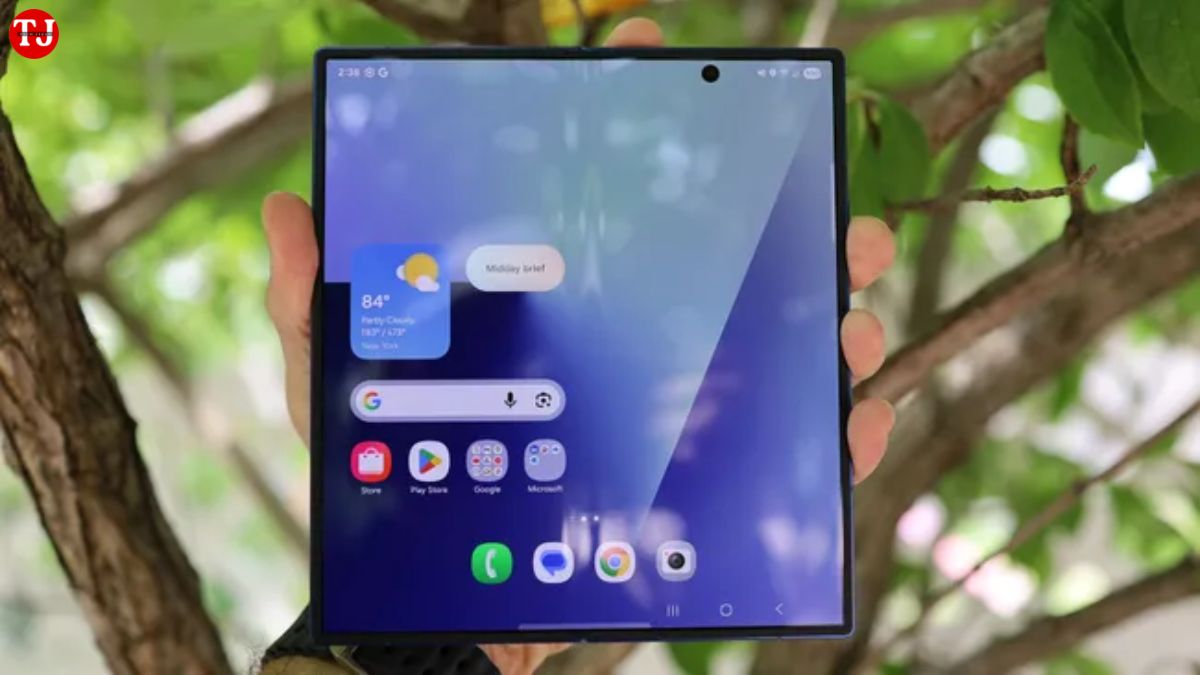
Interestingly, when people look back at Samsung’s 2025, it may not be the Galaxy S25 lineup they remember most. Instead, all signs point to Samsung’s foldable phones—particularly the Galaxy Z Fold 7—as the true highlight of the year.
This growing focus on foldables raises an important question: Why does Samsung appear to be doubling down on foldable smartphones in 2026, despite them being a niche category?
Let’s break down the three most convincing reasons behind Samsung’s strategy.
Samsung’s Foldable Momentum Is Stronger Than Ever
Samsung didn’t just update its foldables in 2025—it significantly upgraded them.
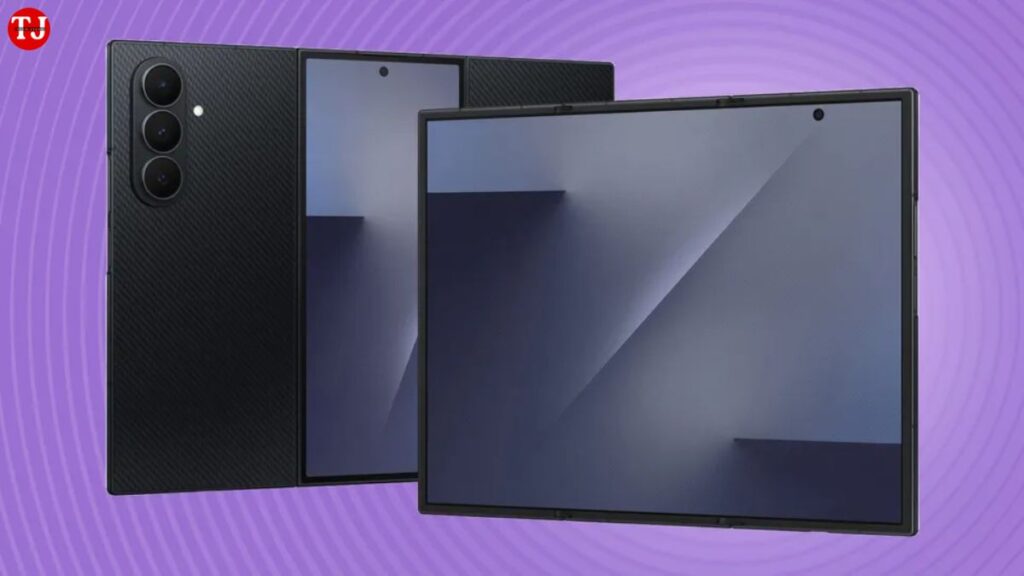
The Galaxy Z Fold 7 received its biggest improvements yet. Samsung expanded the internal folding display from 7.6 inches to a full 8 inches, making it more tablet-like than ever. The outer cover display was redesigned to a more practical 21:9 aspect ratio, finally addressing long-standing usability complaints.
Camera hardware also took a massive leap forward, with Samsung integrating a 200MP primary sensor, bringing foldable photography closer to flagship slab phones. On top of that, the Fold 7 became noticeably thinner when unfolded, improving both portability and premium feel.
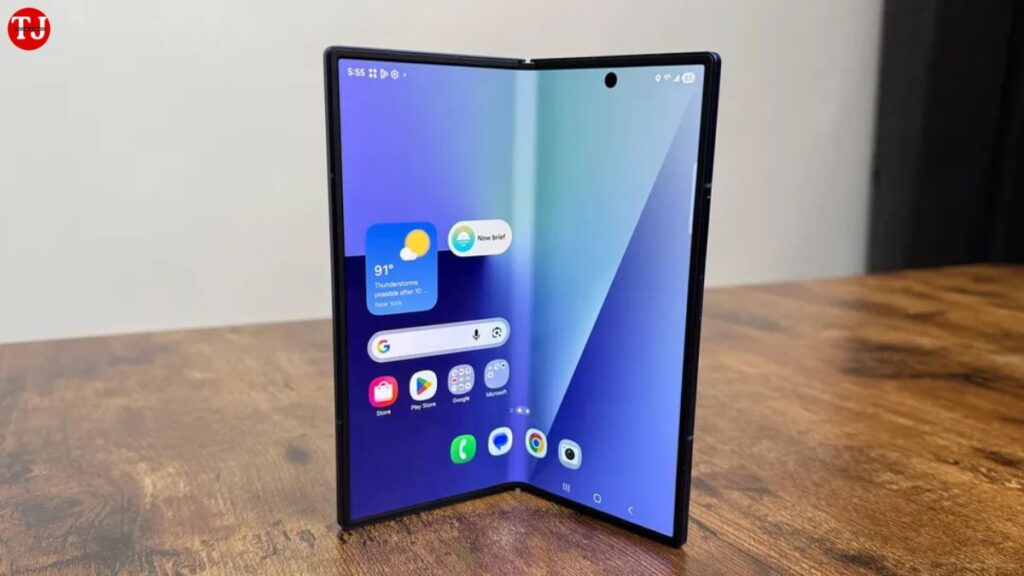
Meanwhile, the Galaxy Z Flip lineup evolved into a more diverse range. Alongside the flagship Galaxy Z Flip 7, Samsung introduced the Galaxy Z Flip 7 FE, its first Fan Edition foldable. This move signals Samsung’s intent to make foldable phones more accessible by lowering the entry price without abandoning the core experience.
These weren’t minor refinements—this generation of Samsung foldables marked a genuine leap forward, outperforming previous iterations by a wide margin.
And Samsung isn’t slowing down.
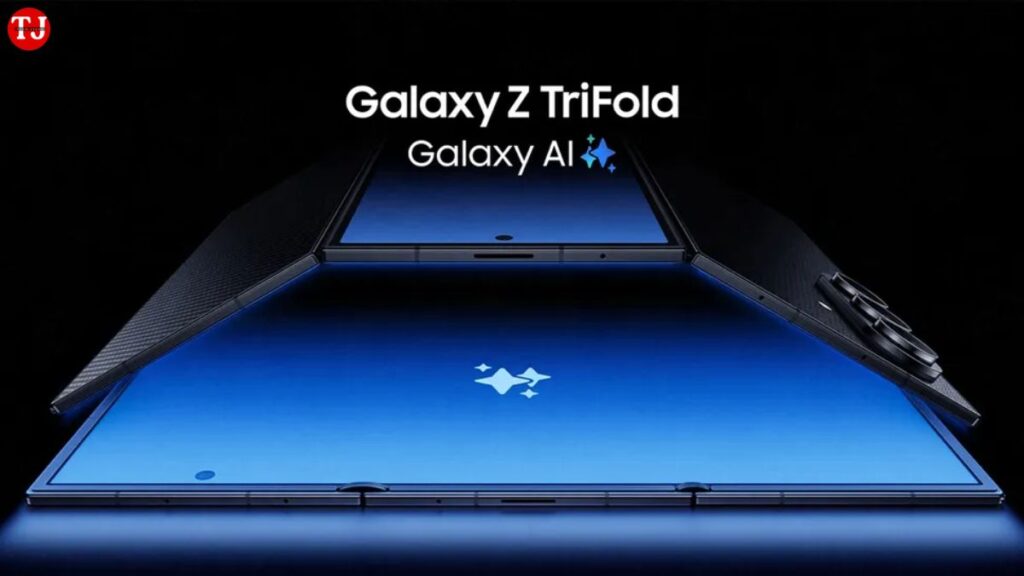
The upcoming Samsung Galaxy Z Trifold, expected to launch in the US in 2026, represents the next step in foldable innovation. This multi-fold device could redefine mobile productivity, entertainment, and multitasking, pushing smartphones closer to laptop-like functionality.
1. The Apple Effect: Samsung Wants a Head Start
One of the most obvious reasons behind Samsung’s foldable push is its long-standing rivalry with Apple.
Apple has yet to release a foldable iPhone, despite years of rumors. If reports are accurate, Apple may finally enter the foldable market in 2026 or later. Samsung clearly sees an opportunity here.
By launching the Galaxy Z Fold 8, Z Flip 8, and potentially the Galaxy Z Trifold before Apple makes its move, Samsung can establish itself as the undisputed leader in foldable technology. This strategy isn’t about volume—it’s about perception.
Foldable phones still represent a small percentage of total smartphone sales, but they play an outsized role in shaping brand image. If Apple enters the foldable space late, Samsung wants consumers to view it as the original innovator, not a follower.
That said, this strategy isn’t without risks. Apple’s loyal customer base may not switch platforms simply because Samsung arrived first. As seen with the Galaxy S25 Edge versus the iPhone Air, Apple often dominates headlines regardless of competition.
Still, by the time Apple launches its first foldable iPhone, Samsung could already be showcasing third- or fourth-generation foldable refinements—including tri-fold technology—making Apple’s debut feel less revolutionary.
2. Market Conditions Favor Controlled Innovation
Another major factor influencing Samsung’s strategy is the current global smartphone market.
Rising component costs, lingering effects of trade tariffs, and increased RAM prices driven by AI hardware demand have made smartphone manufacturing more expensive than ever. At the same time, consumers worldwide are feeling pressure from higher living costs, making them more cautious about upgrading devices annually.
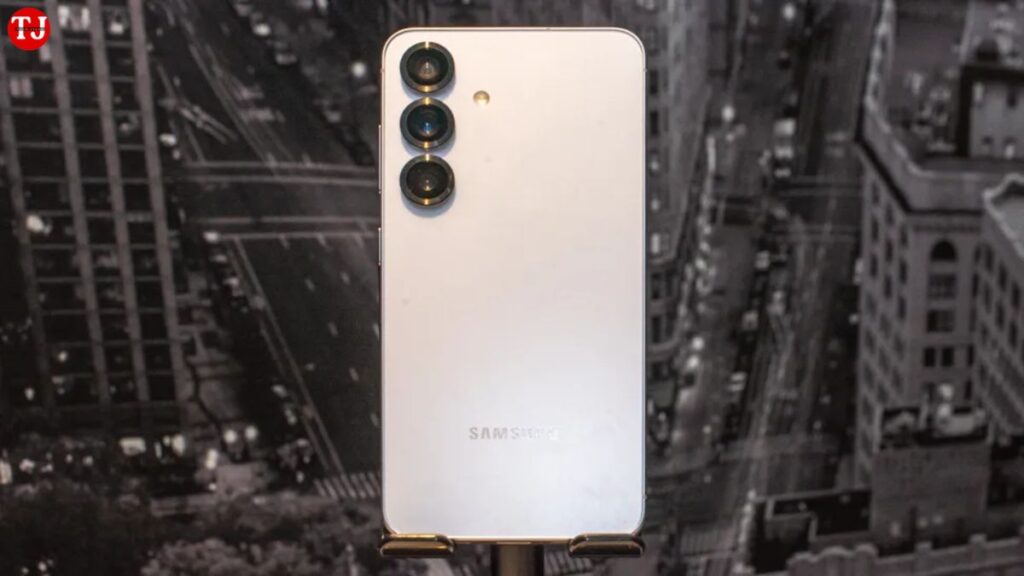
Under these conditions, Samsung may be deliberately keeping the Galaxy S26 lineup conservative. Rumors suggest that the Galaxy S26 and Galaxy S26 Plus could reuse the same camera hardware as their predecessors—a move that would mark four years without a major upgrade to Samsung’s iconic triple-camera setup.
While this might disappoint enthusiasts, it makes sense from a pricing and supply-chain perspective. Maintaining stable prices on mainstream phones is critical for mass-market success.
Foldable phones, however, operate under different expectations.
Devices like the Galaxy Z Trifold are aimed at early adopters—users who expect experimentation and accept first-generation compromises. These buyers are less sensitive to price hikes and more interested in cutting-edge experiences.
Launching a first-gen tri-fold in a year where the Galaxy S26 Ultra is only mildly improved could actually work in Samsung’s favor. Hardcore Samsung fans who want “the very best” device in 2026 may naturally gravitate toward the most advanced and ambitious phone in the lineup—even if it comes with some early-generation flaws.
3. Samsung Genuinely Believes Foldables Are the Future
Beyond competition and market strategy, there’s a simpler explanation: Samsung believes in foldable smartphones as a long-term future form factor.
Samsung has now released seven generations of foldable phones. That level of commitment doesn’t come from short-term experimentation. According to shipment data, Samsung remains the global leader in foldable smartphone sales—even though foldables still account for a small share of the overall market.
Introducing a tri-fold smartphone requires enormous investment in R&D, display engineering, software optimization, and durability testing. It’s highly unlikely Samsung expects massive sales numbers from the Galaxy Z Trifold in its first year.
Instead, Samsung appears focused on evolution, not immediate profits.
The knowledge gained from foldable and multi-fold designs can influence future slab phones, tablets, and even laptops. Features like flexible displays, advanced hinge mechanisms, and adaptive UI software could eventually become mainstream.
In this sense, Samsung’s push into foldables isn’t just about today—it’s about shaping the next decade of mobile computing.
What This Means for Samsung Fans in 2026
If current rumors hold true, 2026 could be a transitional year for Samsung smartphones.
- The Galaxy S26 series is expected to deliver solid performance but limited innovation.
- The Galaxy Z Fold and Flip lineup will likely continue evolving rapidly.
- The Galaxy Z Trifold could become Samsung’s most ambitious smartphone ever.
For users who value reliability and familiarity, the Galaxy S series will remain a safe choice. But for those seeking the most advanced Samsung phone experience, foldables—especially the Z Trifold—may represent the true flagship of 2026.
Final Thoughts
Samsung’s growing focus on foldable phones in 2026 isn’t accidental. It’s the result of competitive pressure from Apple, challenging market conditions, and a genuine belief in foldable technology as the future of smartphones.
While slab phones aren’t going away anytime soon, Samsung’s strategy suggests that innovation will increasingly happen in the foldable space. Whether foldables eventually replace traditional smartphones remains to be seen—but one thing is clear: Samsung is determined to lead that future.
As always, Samsung’s full strategy will become clearer when the Galaxy S26 lineup is officially unveiled in early 2026. Until then, all eyes remain on Samsung’s foldable roadmap—and especially on the potential arrival of the revolutionary Galaxy Z Trifold.