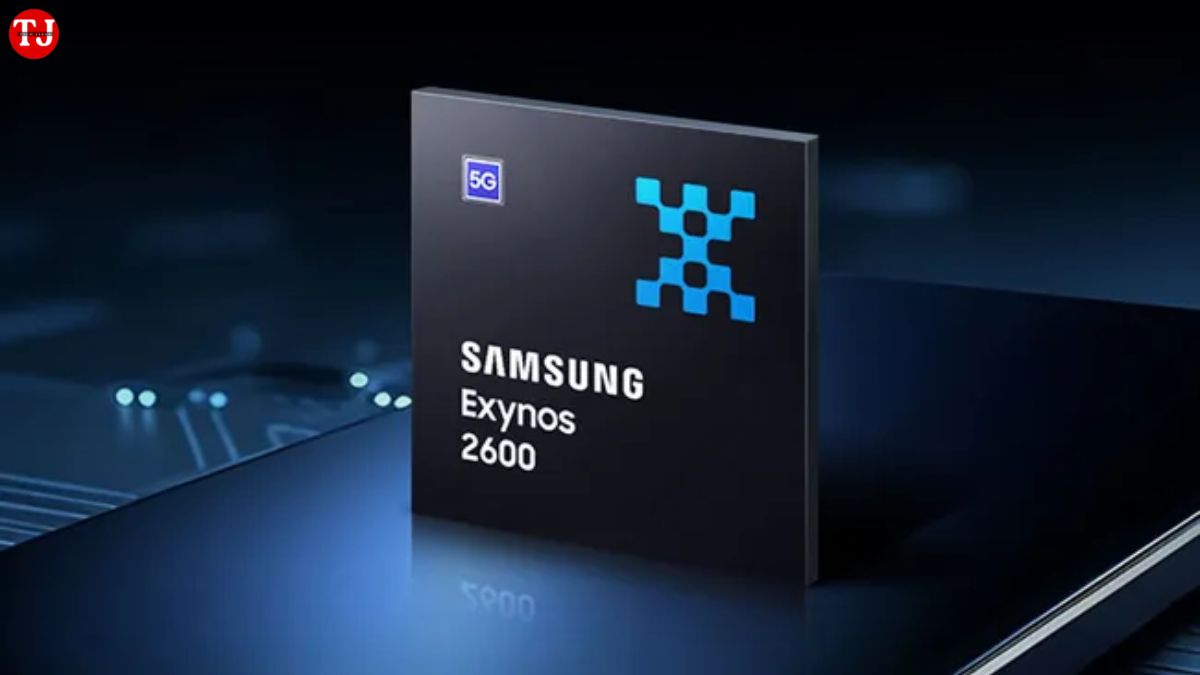
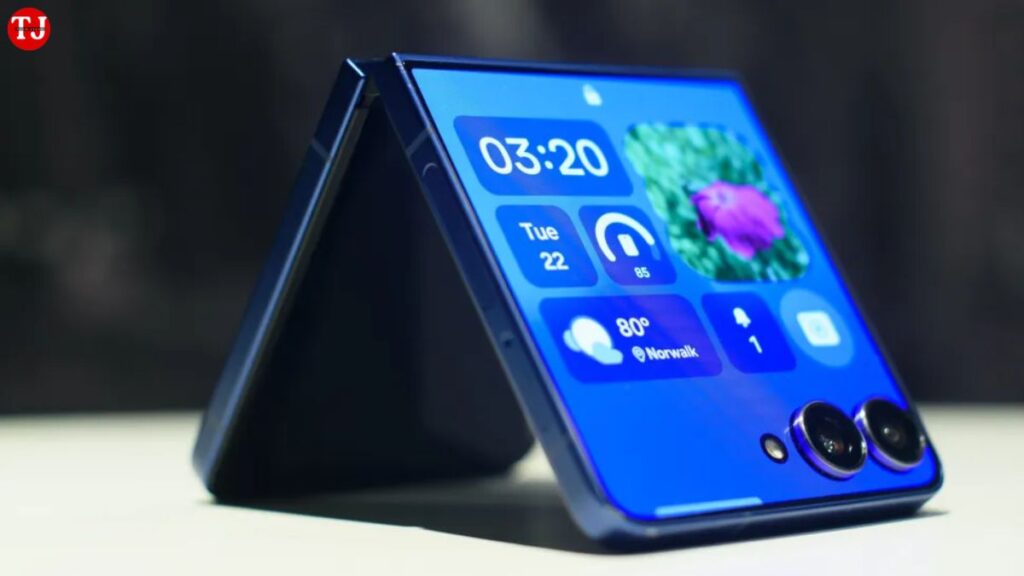
Samsung continues to dominate the foldable smartphone market, and fresh leaks suggest that the company is already preparing a major upgrade for its next-generation flip phone. According to the latest reports, the Samsung Galaxy Z Flip 8 could be powered by the Exynos 2600 chipset, marking a significant shift in Samsung’s foldable strategy ahead of its expected launch in mid-2026.
- Read More:- realme 16 Pro Series Launching in India on January 6, 2026: Design, 200MP Camera, Features & Availability
With Samsung already featuring prominently on lists of the best foldable phones, anticipation is growing around what the Galaxy Z Flip 8 will bring to the table. If the recent leak turns out to be accurate, the upcoming foldable could benefit from cutting-edge semiconductor technology, improved efficiency, and enhanced AI performance.
Let’s break down everything we know so far about the Galaxy Z Flip 8 chipset leak, what Exynos 2600 means for users, and how it compares to previous Samsung processors.
Samsung Galaxy Z Flip 8 Leak: Exynos 2600 Spotted
According to a report from South Korean publication The Bell, later picked up by international tech outlets, Samsung is planning to equip the Galaxy Z Flip 8 with the Exynos 2600 processor. Notably, this chipset has recently been made official and is already drawing attention for being the world’s first mobile processor built on a 2nm manufacturing process.
If this leak proves correct, Samsung would be continuing a trend it started with the Galaxy Z Flip 7, which launched with the Exynos 2500 chipset globally. This approach differed from Samsung’s flagship Galaxy S series, where Qualcomm Snapdragon processors were still used in many regions.
Galaxy Z Flip 7 Set the Precedent
The Samsung Galaxy Z Flip 7, launched in July 2025, was the first mainstream Samsung foldable to rely entirely on an Exynos chipset. While the Galaxy S25 series and Galaxy Z Fold 7 opted for Qualcomm Snapdragon processors, Samsung clearly saw the Flip lineup as an opportunity to showcase its in-house silicon.
Additionally, Samsung also introduced the Galaxy Z Flip 7 FE, a more affordable foldable that also ran on the Exynos 2500. This move helped Samsung reduce costs while still delivering competitive performance for everyday users.
Now, it appears Samsung is ready to take things further with Exynos 2600.
Exynos 2600: Why This Chipset Is a Big Deal
One of the biggest highlights of the Exynos 2600 is its 2nm fabrication process, which represents a major leap forward in mobile chip manufacturing.
Key Advantages of Exynos 2600:
- Higher transistor density for better performance
- Improved power efficiency, ideal for foldable phones
- Enhanced GPU performance for gaming and graphics
- Advanced AI and on-device processing capabilities
- Better thermal management compared to older nodes
For a compact foldable like the Galaxy Z Flip 8, efficiency and heat control are especially important. A more efficient chipset could result in longer battery life, smoother multitasking, and better sustained performance.
Why Samsung Keeps Choosing Exynos for Flip Phones
The decision to use Exynos chipsets instead of Qualcomm Snapdragon processors isn’t accidental.
Cost and Control
Qualcomm chipsets are generally more expensive for manufacturers. By using its own Exynos processors, Samsung can:
- Reduce production costs
- Improve supply chain control
- Optimize hardware and software integration
This cost advantage is especially useful for foldables, which already have higher manufacturing expenses due to complex hinge mechanisms and flexible displays.
Exynos vs Snapdragon: The Ongoing Debate
Every year, tech enthusiasts debate whether Exynos or Snapdragon offers better performance. Traditionally, Snapdragon chips have had an edge in:
- Raw CPU and GPU performance
- Gaming stability
- Custom ISP tuning
However, Samsung has been steadily improving Exynos, and the Exynos 2600 could narrow—or even close—that gap. On paper, it appears far more competitive than the Exynos 2500, which faced production challenges and limited availability.
Production Issues with Exynos 2500 Explained
Earlier rumors suggested that manufacturing yield problems were the reason the Exynos 2500 didn’t appear in more devices initially. Samsung reportedly delayed its wider rollout until the Galaxy Z Flip 7 launch.
If Samsung has resolved these production challenges, the Exynos 2600 could play a much larger role across future devices—including the Galaxy S series.
Galaxy S26 May Also Use Exynos 2600
Interestingly, leaks suggest that the Galaxy S26+ could feature the Exynos 2600 in certain regions. This indicates growing confidence within Samsung regarding the chipset’s performance and efficiency.
If true, the Galaxy Z Flip 8 would not be alone in using Exynos 2600, reinforcing Samsung’s long-term strategy of reducing reliance on external chip suppliers.
Expected Launch Timeline of Galaxy Z Flip 8
Based on Samsung’s release cycle, the Galaxy Z Flip 8 is expected to launch around mid-2026, likely between July and August.
There are also rumors that the Galaxy S26 series may launch later than usual, which could give Samsung more time to fine-tune the Exynos 2600 and optimize it for both slab and foldable phones.
What This Means for Buyers
If Samsung delivers on the promises of the Exynos 2600, Galaxy Z Flip 8 buyers could enjoy:
- Better battery life than previous models
- Stronger AI-powered features
- Improved gaming and graphics performance
- More consistent thermal behavior
- Competitive performance without price hikes
For users interested in stylish foldables that balance performance and efficiency, the Galaxy Z Flip 8 could be one of the most exciting foldable phones of 2026.
Final Thoughts
While nothing is official yet, the Samsung Galaxy Z Flip 8 Exynos 2600 leak paints a promising picture of Samsung’s next foldable evolution. With a cutting-edge 2nm chipset, improved AI capabilities, and better efficiency, the Galaxy Z Flip 8 could further solidify Samsung’s leadership in the foldable smartphone market.
As always, we’ll keep a close eye on future leaks, benchmarks, and official announcements—and update you as soon as Samsung confirms the details.