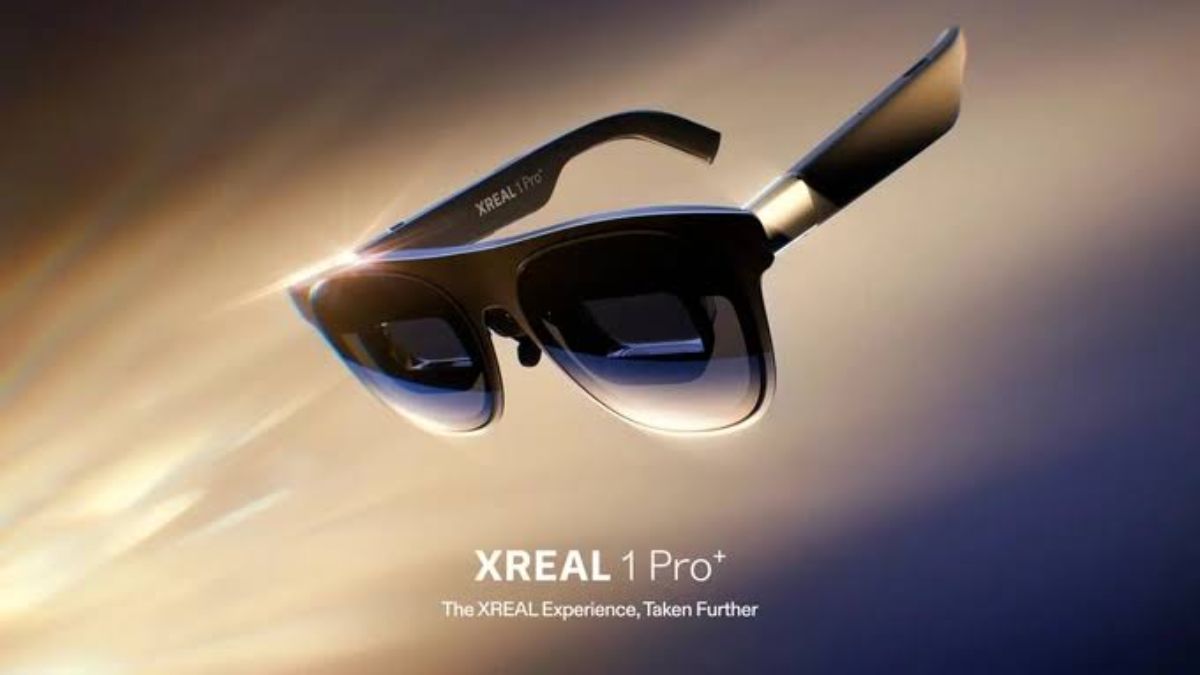
Xreal 1 Pro+ has officially arrived with a brighter Micro-OLED display, smoother 2D-to-3D conversion, and improved comfort while retaining the $599 starting price of its predecessor. The new AR glasses are designed for users who want a more immersive spatial viewing experience without paying more for the latest generation.
Xreal 1 Pro+ Specifications and Features
The Xreal 1 Pro+ brings several upgrades to the company’s AR glasses lineup, with display brightness and spatial content processing taking center stage. Although the new model retains the same starting price, its improved specifications could make it a more appealing option for users interested in immersive entertainment and virtual screen experiences.
Brighter Display With 120Hz Refresh Rate
One of the biggest improvements to the Xreal 1 Pro+ is its peak brightness, which has increased from 700 nits on the Xreal 1 Pro to 1,200 nits. This upgrade is intended to make virtual content appear brighter and more visible across different viewing conditions.
The glasses feature two 0.55-inch Sony Micro-OLED displays, each offering a resolution of 1920 × 1200 pixels. A 120Hz refresh rate is also included, helping deliver smoother motion when watching videos or viewing compatible content.
Xreal has additionally introduced an AI HDR feature designed to improve visual presentation. The company is positioning this addition as another enhancement to the viewing experience, although its real-world performance will depend on how the feature handles different types of content.
2D-to-3D Conversion Now Supports 60fps
Another notable upgrade is the improved 2D-to-3D conversion capability. The Xreal 1 Pro+ can process this conversion at up to 60 frames per second, doubling the 30fps limit of the previous Xreal 1 Pro.
This improvement could make converted content appear smoother during playback, particularly when viewing compatible videos and other supported media. For users who enjoy spatial entertainment, the higher frame-rate support is one of the more significant changes introduced with the new model.
The glasses retain a 57-degree field of view and support a virtual screen size ranging from 34 inches to 556 inches, according to Xreal. These specifications are intended to provide an expansive viewing experience without requiring a conventional physical display.
Native three degrees of freedom (3DoF) support is also available, allowing the virtual viewing experience to maintain spatial positioning as users move their heads.
X1 Spatial Computing Chip and Low Latency
The Xreal 1 Pro+ is powered by the company’s X1 spatial computing chip. The processor is designed to support the glasses’ spatial display capabilities, including their low-latency performance.
Xreal specifies motion-to-photon (M2P) latency of 3 milliseconds. Lower latency can help reduce the delay between a user’s head movement and the corresponding visual response, an important factor in making spatial viewing feel more natural.
However, the overall experience will also depend on the connected device, supported applications, and the type of content being viewed.
Updated Nose Pads for Better Comfort
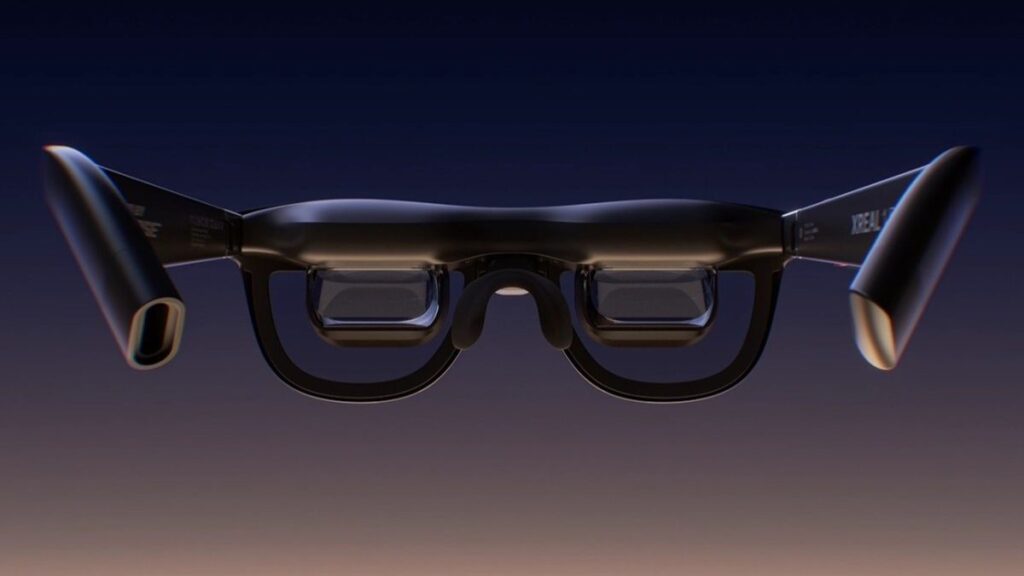
Alongside the display improvements, Xreal has revised the nose pad design on its latest AR glasses. The updated design features a broader contact area intended to improve stability and distribute pressure more comfortably during extended use.
This adjustment is particularly relevant for users who plan to wear the glasses while watching movies, playing games, or working with virtual screens for longer periods.
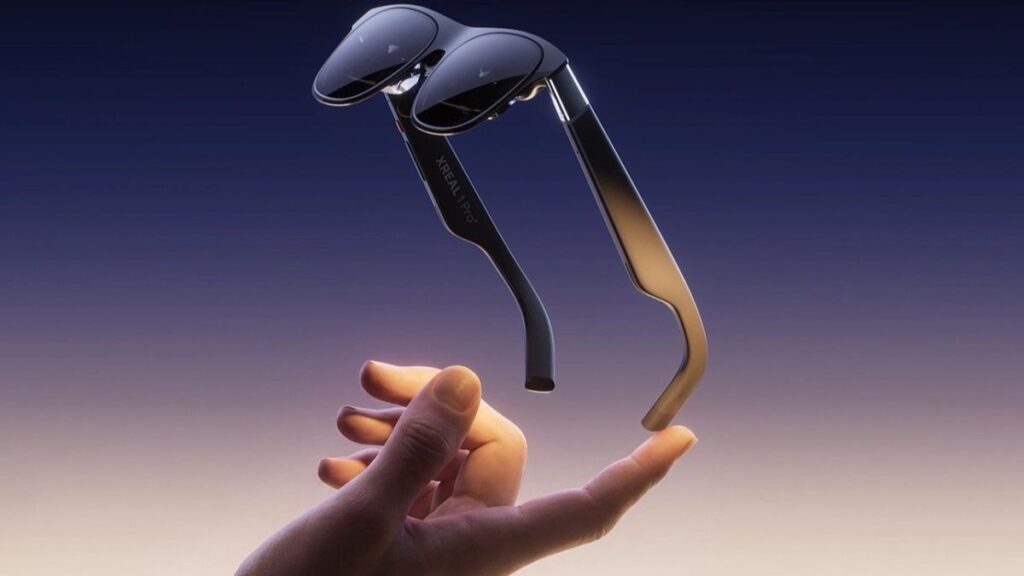
The new design builds on the previous generation rather than completely changing the overall product concept, keeping the focus on practical improvements to everyday usability.
USB-C Connectivity and Device Compatibility
The Xreal 1 Pro+ connects to compatible devices through USB-C. It supports DisplayPort (DP) Alt Mode, meaning the connected phone, computer, or other device must provide compatible video output through its USB-C port.
This is an important compatibility consideration for prospective buyers. Not every USB-C port supports DisplayPort video output, so users should check their device’s specifications before purchasing the glasses.
With a compatible source device, the glasses can serve as a personal virtual display for supported content. Actual functionality may vary depending on the connected hardware and software.
Xreal 1 Pro+ Price and Availability
Xreal has set the starting price of the Xreal 1 Pro+ at $599, the same launch price as the previous Xreal 1 Pro. This means buyers get the upgraded display brightness, improved 2D-to-3D conversion frame rate, and revised nose pads without an increase in the starting price.
The new AR glasses are available through Xreal’s official online store and participating retail partners from launch day.
Availability, regional pricing, taxes, and shipping costs may vary by market. Buyers should check the official store or an authorized retailer for the latest local purchasing information.
Is the Xreal 1 Pro+ Worth Considering?
The Xreal 1 Pro+ focuses on improving the areas that directly affect the viewing experience. Its 1,200-nit peak brightness, 120Hz Micro-OLED displays, 60fps 2D-to-3D conversion, and 3ms motion-to-photon latency make it an interesting option for users seeking a personal spatial display.
The unchanged $599 starting price is another important part of the announcement. Rather than introducing a higher price for the latest generation, Xreal has kept the entry point consistent while adding several hardware and feature improvements.
For existing Xreal 1 Pro owners, the decision to upgrade will depend on how much they value the brighter display and faster 2D-to-3D conversion. For first-time buyers, the Xreal 1 Pro+ offers a combination of high-refresh-rate Micro-OLED panels, spatial viewing features, and USB-C connectivity worth evaluating before making a purchase.
As with any AR glasses, device compatibility and personal comfort should also be considered alongside the headline specifications.
(Source)
