Figma has introduced new AI-powered design tools, including Figma Specs, public beta access to Code Layers, and Payload CMS integration, to help teams build websites and prototypes while maintaining consistent brand guidelines.
Figma has announced a series of new features designed to improve AI-assisted design and development during its first Config event in India. The updates focus on giving designers and developers greater control over AI agents, maintaining brand consistency, creating interactive prototypes, and building dynamic websites.
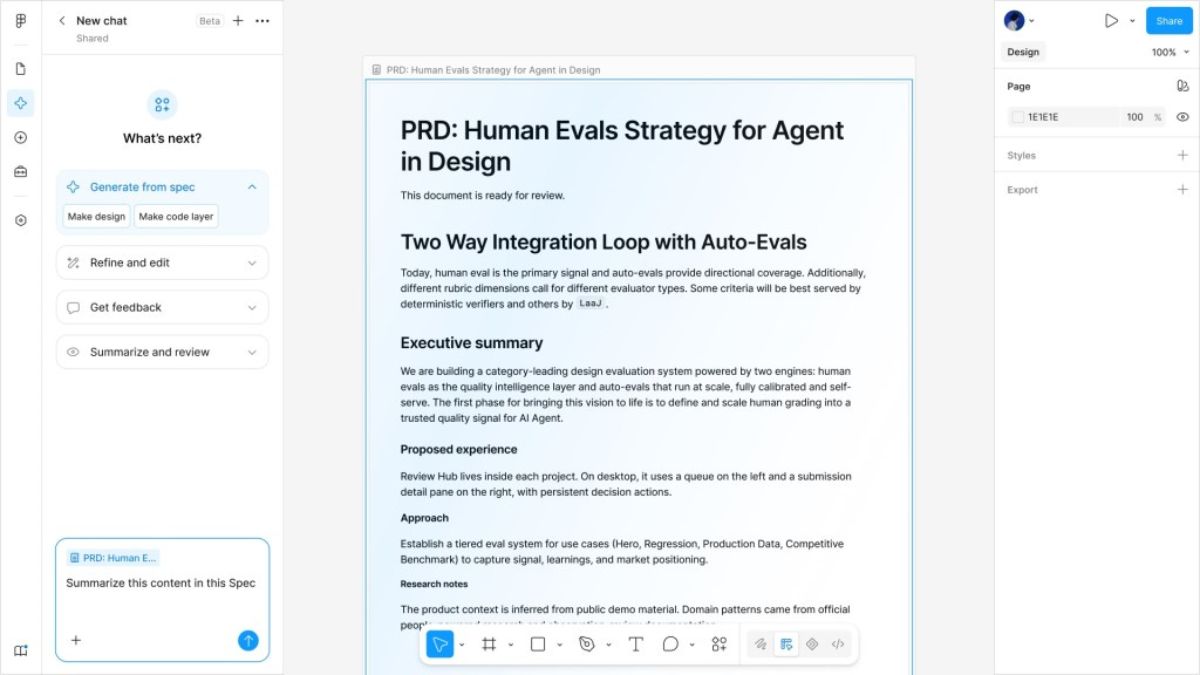
Among the major announcements is Figma Specs, a Markdown-based editor that allows teams to document their design systems, brand guidelines, and coding standards in a format that both people and AI agents can reference. The company is also expanding access to its Code Layers feature and integrating Payload, an open-source headless content management system (CMS), with Figma Make.
These developments reflect Figma’s broader strategy of connecting design, coding, and content management in a single workflow as AI tools become increasingly involved in software development.
Figma Specs Introduces a New Way to Define Design Guidelines
One of the key announcements at the event was Figma Specs, a Markdown-based editor that enables teams to document their design language and provide clear instructions for AI-assisted workflows.
With Figma Specs, users can describe their brand identity, design principles, component usage, and other requirements in a structured document. This information can serve as a shared reference for designers, developers, and AI agents working on a project.
Specs documents can be created as standalone files within Figma or placed alongside existing design canvases. This flexibility allows teams to keep their documentation separate when necessary or connect it directly to the designs it describes.
The editor also supports references to other Figma elements, including canvas objects, embedded FigJam diagrams, code layers, and design files. By bringing these resources together, teams can provide AI agents with more context about how a product should look and function.
The feature is particularly relevant for organizations that want to use AI for design tasks without losing control over their established visual identity.
Figma Gives AI Agents More Context to Follow Brand Rules
As AI agents become more capable of generating designs and code, maintaining consistency across projects has become an important challenge. AI-generated results can vary, even when users provide similar instructions.
Figma is addressing this issue by allowing teams to centralize their design documentation, reusable libraries, and development guidelines.
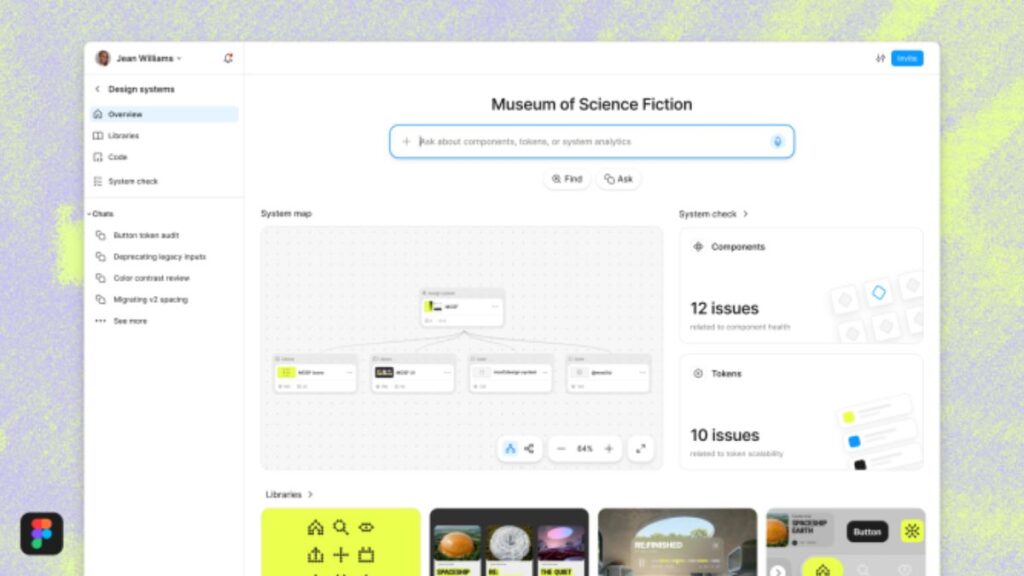
Organizations can bring together design libraries, code libraries, and other documentation to establish a more complete reference for their design systems. AI agents can then use this information to produce work that better aligns with the company’s existing standards.
The approach is intended to make AI-generated designs more predictable and useful in professional environments, where consistency across components, interfaces, and products is essential.
Figma recently expanded the availability of its on-canvas AI agent to a broader group of users. The new documentation and context-management capabilities complement that rollout by giving users more ways to guide the agent’s work.
Rather than relying entirely on individual prompts, teams can establish reusable instructions that help AI tools understand their requirements across multiple design tasks.
Code Layers Enters Public Beta for Interactive Prototyping
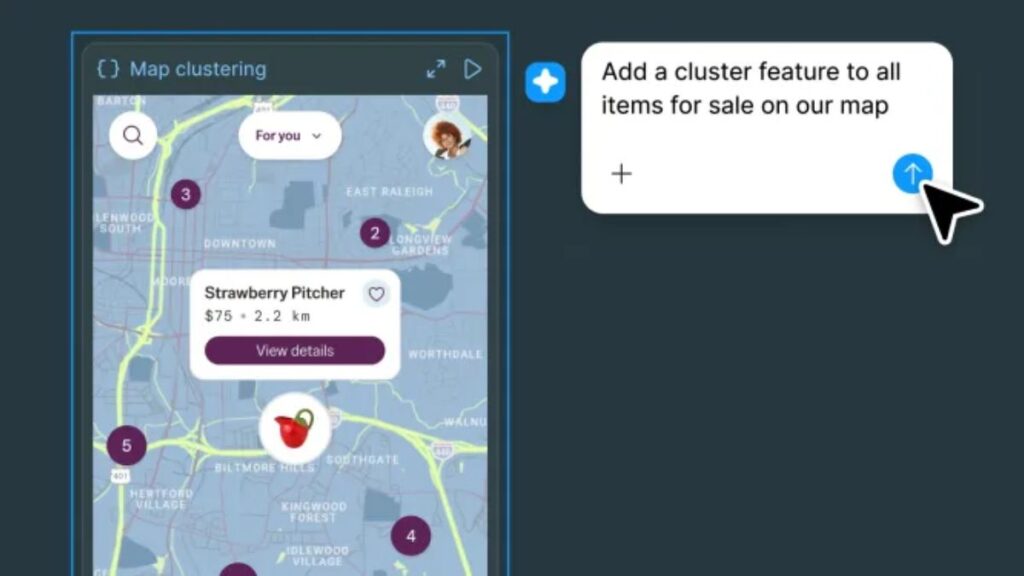
Figma is also expanding access to Code Layers, a feature that allows users to incorporate code into designs directly on the canvas.
Initially announced in a private beta in June, Code Layers is now entering public beta, giving more users the opportunity to experiment with the feature.
The functionality is designed to make prototypes more interactive by combining visual design elements with code. Instead of creating a static representation of an interface, users can introduce coded elements that help demonstrate how a product might behave.
Figma’s AI agent can also assist with the process. Users can ask it to turn a design into code or modify specific portions of existing code while iterating on a prototype.
This workflow could help designers and developers explore ideas more quickly, test interactions, and refine concepts before committing to full-scale implementation.
By bringing coding capabilities closer to the design canvas, Figma is attempting to reduce the distance between creating an interface and understanding how it will work in a real product.
Figma Highlights the Growing Role of AI in Software Development
Figma believes AI is changing not only how software is built but also how product teams explore and evaluate ideas before releasing them.
Speaking to TechCrunch, Figma Chief Design Officer Loredana Crisan highlighted the growing volume of code being generated with AI and the difference between producing code and shipping finished software.
According to figures cited by Crisan, the volume of code being produced has increased approximately 17 times, while the number of releases has grown by around 1.3 times.
The figures illustrate an important distinction: generating more code does not necessarily translate into a proportional increase in completed product releases.
A significant amount of code is created to explore concepts, test possibilities, and determine how a product should work before a team decides what to ship.
Figma sees design as an important part of this process. Its tools are intended to help teams use AI to explore ideas while maintaining a clear connection between experimentation, product requirements, and implementation.
This approach places design platforms in a broader role, supporting not just visual interface creation but also the early stages of software development.
Figma MCP Adds Support for More Than 20 Tools
Another announcement involves expanded support for tools through Figma’s Model Context Protocol (MCP) integration.
The company said it is adding support for more than 20 tools, including OpenCode, Dia, Grok Bot, and Sarvam, an Indian AI startup.
MCP integrations can help AI applications access relevant context and interact with external tools. In a design workflow, this can make it easier to connect Figma resources with other AI-powered development environments.
The expanded support is part of Figma’s effort to make its platform more accessible across different tools and workflows rather than limiting AI-assisted work to a single application.
For developers and design teams, broader integrations could provide additional flexibility when moving between design files, code generation, and other stages of product development.
Figma Make Integrates Payload CMS for Dynamic Websites
Figma is also bringing Payload into its Figma Make product, expanding the platform’s capabilities for website creation and content management.
Figma acquired Payload, an open-source headless content management system, last year. The latest integration connects Payload with Figma Make, which is designed to help users generate websites with AI.
With this integration, users can build dynamic websites and manage their content through a more connected workflow. The addition of a headless CMS is particularly useful for projects that require regularly updated content rather than static pages alone.
A headless CMS separates content management from the presentation layer, allowing content to be delivered to different interfaces and applications. Integrating Payload with Figma Make could therefore help teams move from generating a website to managing the information it displays.
Figma also reported that Payload’s downloads had increased sixfold over the preceding 12 months, highlighting growing interest in the open-source platform.
The integration strengthens Figma’s position in AI-assisted website development by bringing design, website generation, and content management closer together.
Figma Expands Its Presence in India
The announcements came during Figma’s first Config event in India, reflecting the company’s growing focus on the Indian market.
Figma opened its first office in India in late 2025, establishing local operations covering sales, partnerships, go-to-market activities, and product support.
The company said India is its largest market by user numbers outside the United States. It also noted that its platform is used by 40% of India’s top 100 companies listed on the Bombay Stock Exchange.
These figures highlight the importance of Indian businesses and design teams to Figma’s international growth.
As more organizations adopt AI-assisted product development, demand for tools that connect design systems, coding workflows, and content management could create further opportunities for the company in the region.
Hosting its first Indian Config event also gives Figma an opportunity to showcase its latest product developments to local designers, developers, and enterprise customers.
What Figma’s New AI Features Mean for Designers and Developers
Figma’s latest announcements point toward a more connected approach to software creation, in which design documentation, AI agents, code, and website content work together.
Figma Specs gives teams a centralized way to communicate design requirements. Code Layers brings interactive code into the design canvas, while expanded MCP support connects Figma with additional AI tools. The Payload integration, meanwhile, extends Figma Make into dynamic website creation and content management.
Together, these features aim to help teams move from initial ideas to working prototypes and websites with fewer gaps between design and implementation.
However, the effectiveness of AI-generated results will still depend on the quality of the instructions, design references, and code supplied to the tools. Figma’s emphasis on reusable guidelines and centralized context is an attempt to address that challenge.
As the company expands these capabilities, the focus will be on making AI-assisted workflows more consistent, collaborative, and practical for real-world product development.
For now, Figma Specs, the expanded AI integrations, and the public beta rollout of Code Layers represent important steps in the company’s effort to connect AI-powered design with software development and website creation.
