
Apple has reportedly reduced component orders for the iPhone 18 Pro and iPhone 18 Pro Max by up to 15% for October, raising fresh questions about demand for its latest flagship smartphones.
Apple Reportedly Reduces iPhone 18 Pro Component Orders
Apple has reportedly asked some of its suppliers to reduce component production for the iPhone 18 Pro and iPhone 18 Pro Max. According to a report citing people familiar with the matter, the company has lowered its component orders by as much as 15% for October.
The reported adjustment suggests that Apple may be reassessing its production requirements in response to changing market conditions. However, a reduction in component orders does not necessarily mean that the company is facing a major decline in overall iPhone sales.
Component orders can change for several reasons, including inventory management, supply-chain planning, production forecasts, and fluctuations in consumer demand. The latest report points to weaker demand as a possible factor behind Apple’s decision.
Apple has not been independently confirmed here to have publicly announced the reported production cuts, so the figures should be treated as claims from the report rather than an official company statement.
Rising Memory Prices Could Put Pressure on iPhone Demand
Higher memory prices are another factor highlighted in the report. Memory components are an important part of modern smartphones, supporting everything from multitasking and app performance to data storage and advanced device features.
When memory prices increase, smartphone manufacturers can face additional pressure on production costs. Companies must decide whether to absorb those costs, negotiate with suppliers, adjust product pricing, or make changes to their production plans.

For Apple, the combination of component costs and consumer spending could influence demand for its latest premium smartphones. Buyers in the flagship segment may be willing to pay more for new features, but higher prices can also encourage some consumers to keep their existing devices for longer.
It remains unclear how much rising memory costs have contributed to the reported order reductions. The available information does not establish that memory prices alone are responsible for the change.
iPhone 18 Pro Demand Reports Present a Mixed Picture
The reported production cuts come amid conflicting assessments of demand for Apple’s latest Pro-series smartphones.
One report suggests that the iPhone 18 Pro and iPhone 18 Pro Max are attracting weaker demand than the previous generation. If that assessment is accurate, Apple may need to adjust production to avoid building more inventory than the market requires.
However, a separate report has painted a different picture in China, claiming that the new iPhone 18 Pro models have outperformed their predecessors in that market.
These differing reports highlight why demand should not be assessed using a single market or an isolated supply-chain development. Sales performance can vary by region, pricing, promotional activity, consumer preferences, and the availability of competing smartphones.
Without comparable sales figures or an official breakdown from Apple, it is difficult to determine whether the reported slowdown reflects a broader global trend or differences between individual markets.
Higher iPhone 18 Pro Prices Could Support Apple’s Revenue
Despite the reported reduction in component orders, lower shipment volumes would not automatically translate into lower revenue for Apple.
The report states that the iPhone 18 Pro models are priced approximately 10% higher than their predecessors. It lists the starting price of the iPhone 18 Pro at $1,199 in the United States, while the iPhone 18 Pro Max starts at $1,299.
Higher prices can help a smartphone maker generate more revenue per device sold, potentially offsetting some of the impact of lower unit shipments. However, the actual effect depends on the number of devices sold, the mix of models purchased, discounts, and other factors.
Revenue and profit should also be considered separately. Even if higher selling prices support revenue, increased component costs or other expenses could affect profitability.
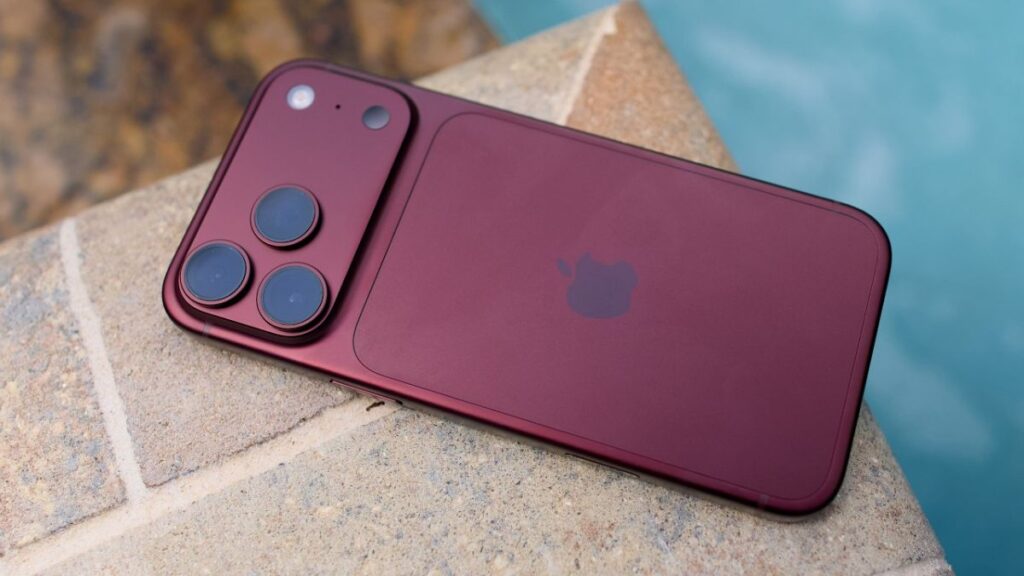
Consequently, the reported price increases alone are not enough to determine whether Apple’s overall financial performance will improve or weaken.
What the Reported Production Cuts Could Mean for Apple
The reported reduction in component orders could indicate that Apple is taking a more cautious approach to manufacturing its latest flagship iPhones. Adjusting orders can help companies align supply with expected demand and limit the risk of excess inventory.
For consumers, the immediate impact remains uncertain. A component-order reduction does not automatically mean that the iPhone 18 Pro or iPhone 18 Pro Max will become harder to find, nor does it guarantee future discounts.
The effect on availability and pricing will depend on Apple’s production plans, supplier output, regional demand, and inventory levels in the coming months.
The most important indicators to watch will be Apple’s official financial results, any further supplier-related reports, and reliable sales data from major markets, including China and the United States.
Final Thoughts
The reported 15% reduction in iPhone 18 Pro component orders has raised questions about demand for Apple’s latest premium smartphones. Rising memory prices and potentially softer consumer interest have been cited as possible reasons for the adjustment, although the available reports do not establish a complete picture of the situation.
At the same time, reports of stronger performance in China suggest that demand may differ considerably across markets. Higher starting prices could also influence Apple’s revenue per device, but their overall financial impact will depend on actual sales volumes and costs.
Until Apple or more comprehensive sales data provide further clarity, the reported production adjustment should be viewed as a developing supply-chain story rather than definitive evidence of a broad decline in iPhone demand.
