
The Samsung Galaxy S27 series may return to an earlier launch schedule, but rising memory costs could affect the expected LPDDR6 RAM and UFS 5.0 storage upgrades for premium models.
Samsung Galaxy S27 Launch Timeline Could Return to January
Samsung may introduce its next flagship smartphone lineup earlier than the Galaxy S26 series, according to a report attributed to Korean tech tipster Lanzuk on Naver.
The Galaxy S27 series is expected to follow a more traditional release schedule, potentially returning to the January or February announcement window. However, Samsung has not officially confirmed the launch date, and the exact timing remains uncertain.
Looking at the company’s recent flagship launches, the Galaxy S24 series was announced in January 2024, followed by the Galaxy S25 lineup in January 2025. The Galaxy S26 series, by comparison, was announced in late February and reached the market in early March.
The later release of the Galaxy S26 lineup was reportedly linked to changes in Samsung’s product strategy, including the replacement of the expected Galaxy S26 Edge with the Galaxy S26+.
If the latest information proves accurate, Samsung could be preparing to return to its earlier launch schedule with the Galaxy S27 family. Reports also suggest that many major hardware decisions for the upcoming smartphones have already been made, although some important specifications may still be under discussion.
Galaxy S27 Pro and S27 Ultra Could Miss Expected Memory Upgrades
One of the biggest questions surrounding the Samsung Galaxy S27 series concerns its memory and storage technology.
Earlier reports suggested that Samsung was considering a tiered hardware strategy for the upcoming lineup. Under that plan, the standard Galaxy S27 and Galaxy S27+ would use LPDDR5X RAM and UFS 4.x storage, while the more expensive Galaxy S27 Pro and Galaxy S27 Ultra would receive next-generation LPDDR6 memory and UFS 5 storage.
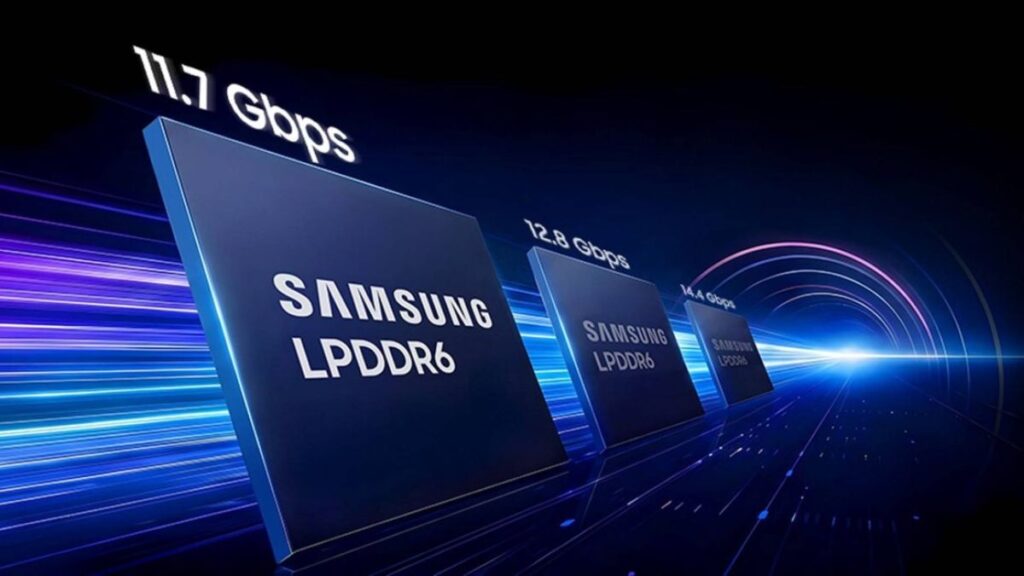
However, the latest information attributed to Lanzuk indicates that Samsung may be reconsidering those upgrades.
The memory market has reportedly become more expensive than the company anticipated. As a result, Samsung could evaluate whether introducing the latest memory standards across its premium flagship models makes financial sense.
If the company decides to delay the transition, the Galaxy S27 Pro and Galaxy S27 Ultra may not receive all the previously anticipated memory improvements.
It is important to note that these details remain based on reports rather than official Samsung announcements. The final hardware specifications could change before the devices are unveiled.
LPDDR6 RAM and UFS 5 Storage: What Would the Upgrades Mean?
The potential move to LPDDR6 RAM and UFS 5 storage could represent a significant hardware improvement for Samsung’s premium smartphones.
LPDDR6 is designed to deliver higher memory bandwidth than LPDDR5X, while UFS 5 aims to improve storage performance and power efficiency compared with earlier standards.
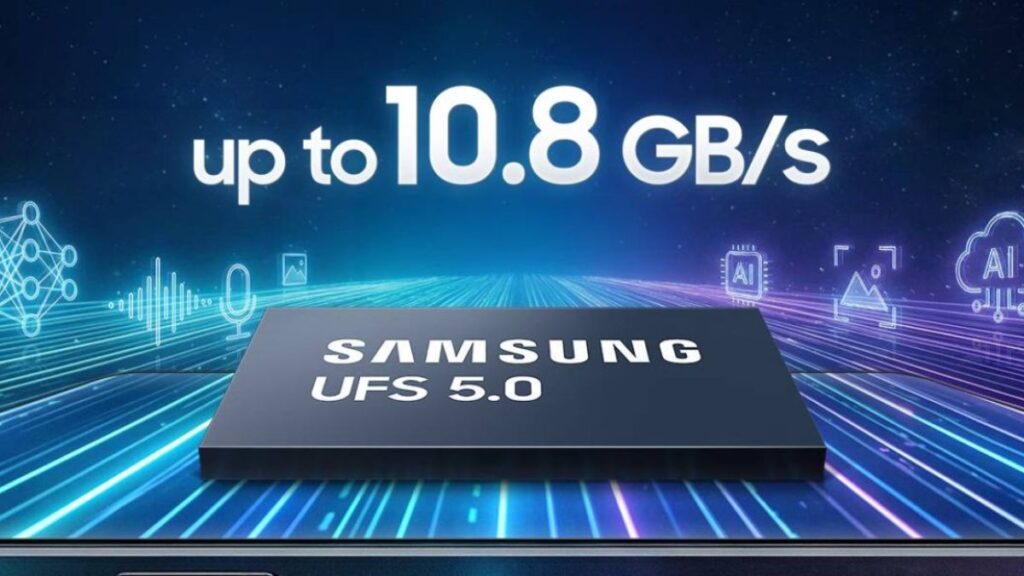
According to the specifications cited in the report, UFS 5 targets sequential read speeds of up to 10.8GB/s and write speeds of up to 9.8GB/s. The standard is also expected to offer improved power efficiency compared with UFS 4.1.
LPDDR6, meanwhile, is expected to support data rates of approximately 10.6Gbps to 14.4Gbps per pin, compared with up to 8.5Gbps per pin for LPDDR5X.
These improvements could benefit several demanding smartphone workloads, including large file transfers, advanced mobile gaming, multitasking, high-resolution content creation, and on-device artificial intelligence.
However, actual performance would depend on Samsung’s implementation, the processor, the storage configuration, and software optimisation. Higher theoretical memory and storage speeds do not automatically translate into equally large improvements in everyday use.
For the Galaxy S27 Pro and Galaxy S27 Ultra, the decision to adopt these technologies could therefore influence both performance and manufacturing costs.
Rising Memory Costs Could Push Galaxy S27 Prices Higher
The possible change in Samsung’s memory strategy highlights a broader challenge for flagship smartphone manufacturers: balancing hardware improvements against production costs.
Newer memory and storage technologies can increase the bill of materials, particularly when supply is constrained or component prices rise. If Samsung chooses to equip its premium Galaxy S27 models with LPDDR6 and UFS 5, the additional expense could affect its pricing strategy.
On the other hand, retaining older memory standards could help the company manage costs, although it might also reduce the hardware differentiation between the standard and premium models.
The Galaxy S27 series could become more expensive if Samsung passes higher component costs on to consumers. However, there is currently no confirmed pricing information for the upcoming lineup, so the scale of any potential increase remains unknown.
Samsung could also explore different configurations across the range to balance performance, product positioning, and profitability.
For buyers considering an upgrade, the final RAM and storage specifications may be just as important as the launch price when evaluating the differences between the Galaxy S27, S27+, S27 Pro, and S27 Ultra.
Galaxy S27 Ultra Processor: Snapdragon or Exynos?
Another unanswered question concerns the processor expected to power the Samsung Galaxy S27 Ultra.
Samsung has used both Qualcomm Snapdragon and its own Exynos processors across different Galaxy flagship generations and markets. The chip selection for the Galaxy S27 Ultra could therefore have a significant impact on performance, efficiency, and regional availability.
Qualcomm has reportedly denied claims of heating problems, but the available information does not establish which processor Samsung has selected for its next Ultra flagship.
Until Samsung confirms its plans, it would be premature to conclude whether the Galaxy S27 Ultra will use a Snapdragon chipset, an Exynos processor, or a strategy that varies by market.
The processor decision could also affect how effectively the phone uses its memory bandwidth, manages demanding applications, and handles AI-powered features.
More details will likely emerge as the Galaxy S27 launch approaches, but for now, the chipset remains one of the major unanswered questions surrounding Samsung’s next flagship generation.
What to Expect From the Samsung Galaxy S27 Series
The Samsung Galaxy S27 lineup could bring an earlier launch schedule, updated hardware, and improvements aimed at premium smartphone users. Nevertheless, the possibility of rising memory costs adds uncertainty to the specifications that were previously expected for the Pro and Ultra models.
The key question is whether Samsung will proceed with LPDDR6 RAM and UFS 5 storage for its top-tier smartphones or retain existing technologies to control production expenses.
A decision to delay these upgrades would not necessarily mean that the Galaxy S27 series lacks other improvements. Camera hardware, processing power, battery efficiency, software features, and AI capabilities could also influence the final product experience.
For now, the launch schedule, memory configurations, processor selection, and pricing remain unconfirmed. Samsung’s official announcement will be needed to establish which reported features make it into the final Galaxy S27 lineup.
Bottom line: The Galaxy S27 series may return to an earlier release window, but the expected memory upgrades and their potential impact on pricing remain uncertain. Buyers should treat current specifications as early reports until Samsung confirms the details.
