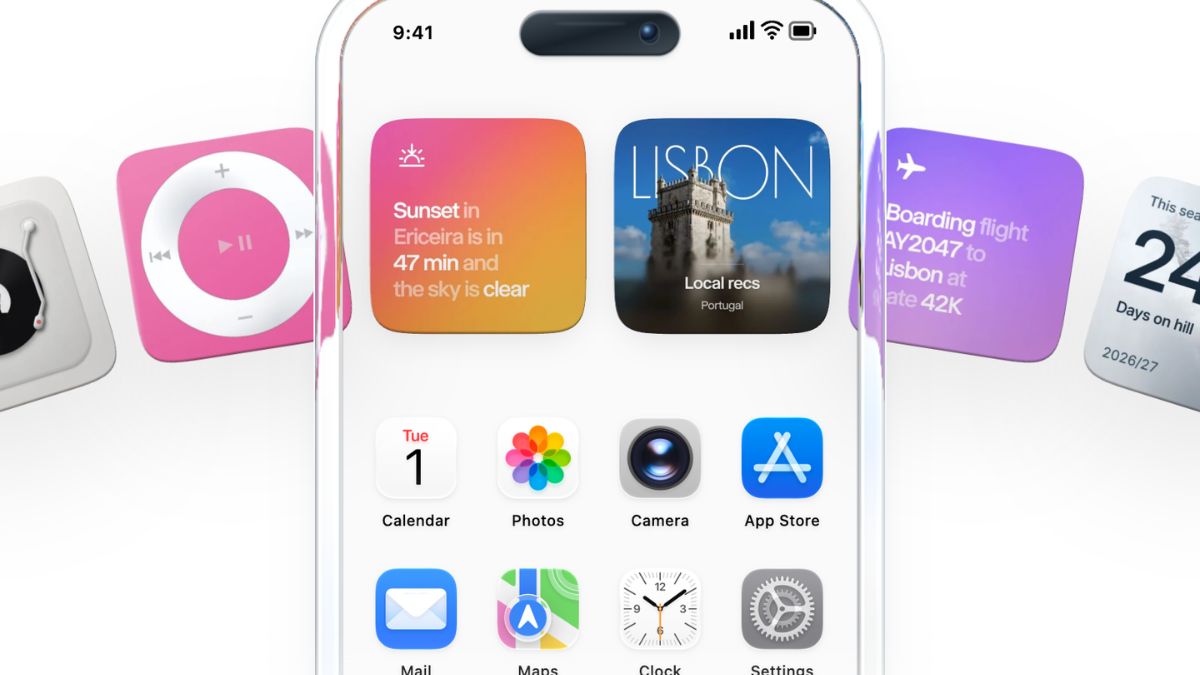
Wabi AI assistant is now available to users, introducing a new approach to personal artificial intelligence through task-specific conversations, automatically generated apps, and shared AI-powered chats. Founded by former Replika CEO Eugenia Kuyda, Wabi aims to help people manage everyday responsibilities while making it easier to plan activities and collaborate with family and friends.
What Is Wabi AI and How Does It Work?
Wabi is a personal AI assistant designed to combine conversational artificial intelligence, task management, and custom applications within a single messaging-style interface. Instead of requiring users to switch between multiple productivity tools, the platform aims to bring useful services directly into dedicated AI conversations.
The company was founded by Eugenia Kuyda, who previously led Replika, an AI companion platform known for its focus on personal conversations and emotional connections. With Wabi, Kuyda is exploring a different application of AI: helping people organize their lives, complete everyday tasks, and coordinate activities with others.
Wabi officially launched for all users on Monday, according to Kuyda’s interview with TechCrunch. Its approach reflects a broader shift toward AI assistants that can do more than answer questions, including handling tasks and creating tools tailored to individual needs.
From Luka to Wabi: Eugenia Kuyda’s Long-Term AI Vision
Wabi’s launch represents another step in a journey that began more than a decade ago. Approximately 12 years ago, Kuyda presented a conversational chatbot called IO at TechCrunch Disrupt. Developed by her startup Luka, the assistant was designed to act as a lifestyle concierge, helping people book restaurants, plan vacations, and handle other everyday activities.
At the time, modern large language models and many of today’s AI agent technologies had not yet emerged. Despite those limitations, IO demonstrated how conversational software could help users accomplish practical tasks.
Kuyda later developed Luka into what became Replika, a widely recognized AI companion service. After leaving her position as Replika’s CEO in 2025, she founded Wabi to explore a broader vision of personal AI.
According to Kuyda, today’s AI technology is finally capable of delivering more of the experience she originally imagined for Luka. Wabi is entering a market where newer AI assistants are increasingly designed to manage information, organize workflows, and take action on behalf of users.
Wabi 2.0 Automatically Creates Apps for Everyday Tasks
One of Wabi’s main features is its ability to generate personalized applications without requiring users to build everything themselves.
When users connect their email account, Wabi can create relevant conversation threads and supporting apps automatically. These tools are intended to help users organize information and manage responsibilities without having to spend time designing their own software.
For example, someone focused on health could use a dedicated thread with a weight-management tracker. A family-oriented conversation could include an app for finding children’s activities nearby. Other threads could support planning, scheduling, and personal projects.
Users can also request additional apps or start new conversations for specific needs.
This represents a change from Wabi’s earlier direction. When the startup initially launched, it emphasized creating small applications through prompts and sharing them with other people. The newer version puts more responsibility on the AI itself, allowing it to decide which tools might be useful.
Kuyda explained that users appreciate personalized software but may not want to invest the time required to build it. Wabi’s approach attempts to address that problem by automating much of the process.
How Wabi Differs From Other Personal AI Assistants
The personal AI assistant market is becoming increasingly competitive, with products such as Muse and Instinct also targeting users who want AI to help manage information and everyday activities.
Wabi’s strategy combines automated app creation with a conversation system designed around multiple threads and shared participation.
Rather than placing every request, reminder, and piece of information into one continuous chat, users can separate their activities into individual conversations. Each thread can focus on a particular goal, helping keep relevant information organized.
This design may also help users navigate increasingly complex interactions with AI assistants. Long conversations can become difficult to manage as context accumulates, and AI systems can sometimes lose track of details or generate inaccurate responses.
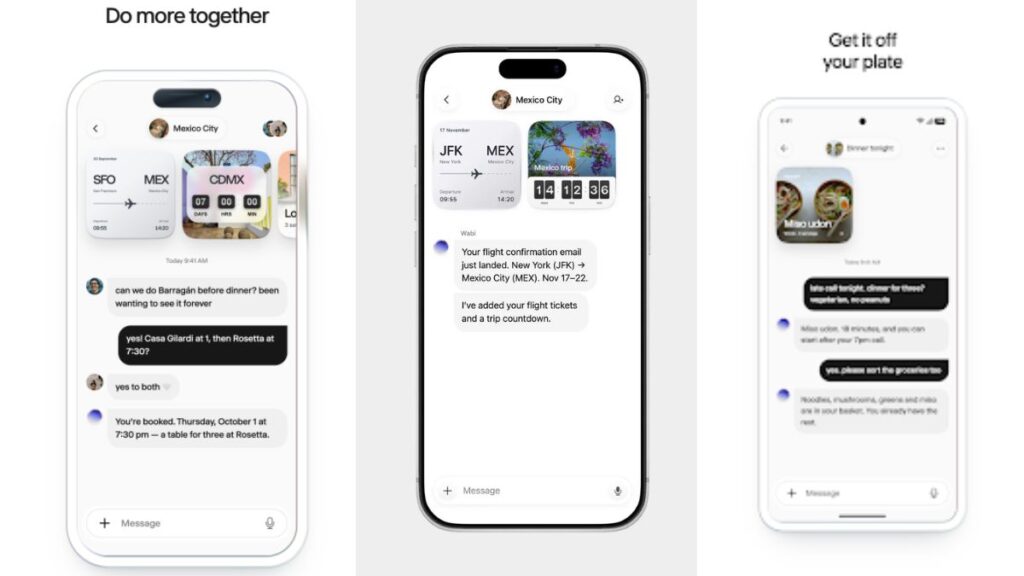
Separate threads offer a more organized way to approach different tasks, although they do not eliminate the possibility of AI errors.
Wabi’s other major distinction is its emphasis on collaboration. The company wants users to interact with AI together instead of treating every assistant as an isolated personal tool.
Shared AI Chats Bring Families and Couples Together
Wabi allows users to share selected conversations with other people, turning personal AI threads into collaborative spaces.
For couples, a shared conversation could include a live music tracker, restaurant recommendations, calendar events, and a reading list with suggestions for future books. The goal is to make it easier to discover activities and coordinate plans without jumping between several applications.
Family members can use similar features for organizing children’s schedules, finding kid-friendly events, or creating learning activities. Kuyda described using an AI-powered Japanese quiz for her daughter as one example of how the platform can support family life.
These shared threads are designed to make AI useful for activities that involve more than one person.
For instance, instead of separately checking calendars and exchanging messages, a couple could ask their shared assistant whether one person is available on a particular day. The assistant could also help retrieve relevant information, provided the necessary access has been granted.
Kuyda believes this collaborative approach could become an important part of the next generation of AI applications, particularly as more tools move beyond individual productivity and toward shared experiences.
Wabi AI Privacy: What Users Should Know
Because Wabi can connect personal information with AI-powered conversations, privacy and access controls are important considerations.
According to Kuyda, users can decide what information they share within individual chats, including email and calendar details and, where supported, financial information. Access is scoped to specific conversations, and participants can see when someone’s personal information is requested.
This arrangement is intended to give users more control over how their information is used in collaborative conversations.
Kuyda also stated that Wabi is SOC 2 compliant, meaning its security controls have undergone an independent audit against the relevant standards. The service operates in the cloud, and most user data is stored in the United States.
However, SOC 2 compliance should not be interpreted as a guarantee that data can never be exposed or misused. Users should review Wabi’s current privacy policy, connected-account permissions, and data-handling terms before linking sensitive accounts or sharing personal information with other participants.
Is Wabi AI Free to Use?
Wabi is currently available for free, giving users an opportunity to explore its personal assistant features and AI-generated apps.
The company has not yet finalized its long-term business model. Kuyda also indicated that Wabi was in discussions to raise additional funding.
Its future pricing, potential subscription plans, and any paid features have not been confirmed in the information available at launch.
For now, Wabi’s free availability could help the startup attract users as it competes with other AI assistants and productivity platforms.
What Wabi’s Launch Means for the Future of Personal AI
Wabi’s launch highlights an emerging direction in artificial intelligence: assistants that can organize information, generate useful tools, and help people coordinate real-world activities.
Its combination of custom apps and shared conversations distinguishes it from assistants focused primarily on individual question-and-answer interactions. If the approach works as intended, users could spend less time switching between productivity applications and more time managing their responsibilities through a single platform.
The challenge will be making these features consistently useful while maintaining reliable performance, clear privacy controls, and an intuitive user experience.
Kuyda’s earlier work at Replika focused on using AI to support personal connections and address feelings of loneliness. Wabi extends part of that philosophy into everyday collaboration, with an emphasis on helping people spend time together, discover activities, and organize shared goals.
Whether Wabi can establish itself in the competitive personal AI market will depend on how effectively it delivers on that vision. Its latest launch nevertheless marks a significant development in Kuyda’s long-running effort to make conversational AI more practical and accessible.
